


In secondary steel refining, calcium treatment is often discussed, but not always well understood. Calcium is highly effective, yet difficult to use. This is where Calcium Iron Cored Wire (CaFe cored wire) becomes relevant in everyday steelmaking practice.
Rather than being an abstract metallurgical concept, CaFe cored wire is a practical tool used by steel plants to improve inclusion control, stabilize refining results, and reduce process variability.
What Calcium Iron Cored Wire Actually Is
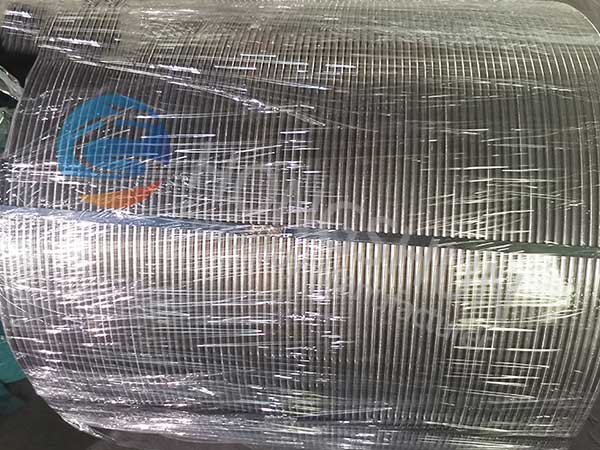
Calcium Iron Cored Wire is an alloy wire designed for controlled calcium addition. It is produced by filling a cold-rolled low-carbon steel strip with a blend of calcium particles and iron powder, then forming it into a sealed wire suitable for continuous feeding.
In most industrial applications, the calcium content ranges from 28% to 35%, with iron powder making up the balance. The iron does not act as an alloying element in the steel itself; its main role is to support calcium delivery.

Why Direct Calcium Addition Rarely Works Well
From a metallurgical standpoint, calcium has two major limitations: low density and a low boiling point. When added directly to molten steel, it reacts violently at the surface and evaporates almost instantly.
In practice, this leads to:
- Poor calcium recovery
- Inconsistent refining results
- Increased risk of splashing and oxidation
For this reason, many steel plants avoid direct calcium addition altogether, especially in clean steel grades where process stability is critical.
How CaFe Cored Wire Changes Calcium Behavior
When Calcium Iron Cored Wire is injected into molten steel, the situation is different. The steel sheath allows the wire to penetrate into the bath before melting, while the iron powder increases overall density and slows down calcium release.
This delay is significant. It allows calcium to react where it is needed, rather than being lost at the surface. As a result, calcium can effectively interact with oxygen, sulfur, and existing oxide inclusions.
Inclusion Modification in Real Production
One of the main reasons CaFe cored wire is used is inclusion shape control.
In untreated steel, alumina and sulfide inclusions often appear as elongated or angular particles. These inclusions can negatively affect mechanical properties, especially in applications sensitive to anisotropy.
Calcium treatment converts these inclusions into calcium aluminates with lower melting points, which tend to become more rounded and less harmful. This change is small in appearance, but significant in performance.
Practical Benefits Observed by Steel Plants
From an operational point of view, the benefits of Calcium Iron Cored Wire are not theoretical. Steel plants typically observe:
- Lower total oxygen and sulfur levels
- More stable steel cleanliness from heat to heat
- Reduced alloy consumption due to better calcium recovery
- Fewer surface and internal defects in finished products
At the same time, the controlled feeding process improves safety and reduces stress on refining equipment.
Where CaFe Cored Wire Is Commonly Used
Calcium Iron Cored Wire is widely applied during LF and RH refining, particularly in the production of:
- Low-carbon and ultra-low-carbon steels
- Structural steels with strict quality requirements
- Bearing and pipeline steels
- Alloy steels require consistent inclusion control
In many cases, CaFe cored wire is used alongside Calcium Silicon Cored Wire or other refining materials, depending on the steel grade.
Cost Considerations and Market Use
The cost of Calcium Iron Cored Wire is generally higher than raw calcium materials, but the overall refining cost is often lower due to improved recovery and reduced rework.
As of late 2025, export prices typically fall in the range of USD 1,650–1,750 per metric ton (FOB China), with variations based on composition and order volume. For most steel plants, performance consistency matters more than small price differences.
Choosing a Suitable Supplier
Not all CaFe cored wire performs the same. Factors such as filling density, wire tightness, and composition stability directly affect treatment results.
Manufacturers with dedicated cored wire production lines and experience in secondary refining applications are better positioned to supply consistent material. Companies like Hongshun Ferroalloy focus on these details, providing CaFe cored wire suitable for clean steel and low-silicon steel production.
Final Notes
Calcium Iron Cored Wire is not a shortcut, and it does not replace good refining practice. However, when used correctly, it provides a reliable way to apply calcium treatment with predictable results.
For steelmakers working with increasingly strict quality standards, CaFe cored wire remains a practical and proven solution in modern steel refining.

