


In modern mining operations, efficiency is everything. Whether you’re operating a small processing plant or managing a large-scale copper mine, the grinding process plays a crucial role in overall productivity. At the heart of this process lies a simple but powerful tool: forged steel balls.
Forged steel balls are widely recognized as one of the most effective grinding media for copper ore milling. In this article, we will explore how forged steel balls enhance the grinding process, why they are a preferred choice over other types of media, and how choosing the right supplier can impact your bottom line.
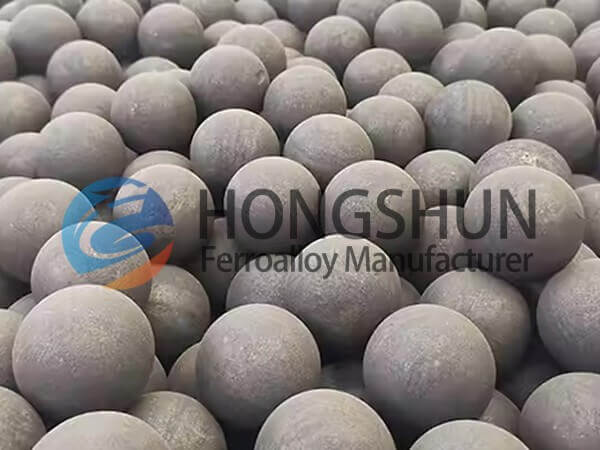
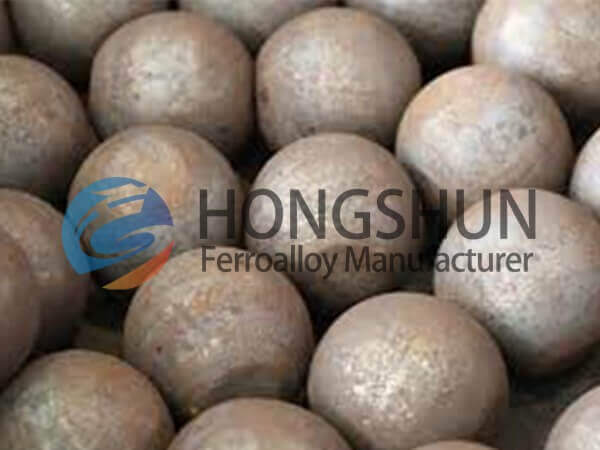
Why Forged Steel Balls Are Ideal for Copper Ore Grinding
Copper ore is a relatively hard and abrasive mineral. During the milling process, it puts immense pressure on grinding equipment and wear components. This is where forged steel balls come into play.
1. Superior Wear Resistance
Forged steel balls are manufactured through high-temperature forging, followed by precision heat treatment. This gives them a uniform hardness, excellent impact toughness, and longer service life even in the harsh conditions of copper ore grinding.
Compared to cast balls, forged balls are more resilient and less likely to break or deform during use. This directly translates to reduced downtime and lower operational costs for mining operations.
2. Consistent Performance
The hardness and density of forged steel balls allow for consistent particle size reduction, which is critical in copper ore beneficiation. Uniform grinding leads to more efficient flotation, higher metal recovery rates, and better overall plant performance.
3. Reduced Contamination
Another key advantage of using forged steel balls is their low wear rate, which minimizes iron contamination in the milled product. This is especially important in copper processing, where product purity can significantly affect the value of the final concentrate.
Technical Specifications of Forged Steel Balls for Copper Grinding
When selecting forged steel balls, quality and size matter. High-quality grinding balls are typically produced using high carbon steel (e.g., 60Mn, B2, or 45# steel) and undergo quenching and tempering to achieve the desired mechanical properties.
Common Size Range:
- Diameter: 20mm to 150mm
- Hardness: 55-65 HRC
- Breakage Rate: <1%
- Impact Toughness: ≥12J/cm²
These specifications make forged steel balls an ideal choice for semi-autogenous (SAG) mills, ball mills, and rod mills used in copper ore grinding circuits.
Applications Beyond Copper Ore
While this article focuses on copper mining, forged steel balls are also widely used in grinding:
- Gold ore
- Iron ore
- Nickel ore
- Cement clinker
- Coal
- Industrial minerals
Their versatility makes them a staple in various industries where grinding efficiency is essential.
How to Choose a Reliable Supplier of Forged Steel Balls
Finding a trusted supplier is as important as selecting the right grinding media. Here are a few factors to consider:
1. Manufacturing Standards
Ensure the supplier follows international standards such as ISO9001 or SGS certification. This guarantees quality consistency and material traceability.
2. Customization Options
Leading suppliers provide customized ball sizes and hardness levels based on your mill conditions and ore characteristics.
3. On-Time Delivery
Mining operations run on tight schedules. A dependable supplier will ensure stable production and timely delivery to avoid unexpected shutdowns.
4. After-Sales Support
Look for partners who offer technical support, including wear analysis, grinding media optimization, and failure diagnostics. These services help you improve efficiency over time.
Forged Steel Balls vs. Cast Grinding Balls: A Quick Comparison
| Feature | Forged Steel Balls | Cast Grinding Balls |
|---|---|---|
| Manufacturing Process | Forged and heat-treated | Cast and cooled |
| Hardness | High and uniform | Less uniform |
| Wear Resistance | Superior | Moderate |
| Breakage Rate | Very low | Higher |
| Cost Efficiency | Higher long-term value | Lower upfront cost |
While cast balls may seem economical at first, forged balls offer better long-term value, especially in aggressive grinding environments like copper ore processing.
Environmental and Economic Benefits
Using forged steel balls can help reduce:
- Energy consumption, thanks to more efficient grinding.
- Material waste, due to lower breakage and wear rates.
- Production downtime, by extending ball replacement intervals.
This ultimately contributes to sustainable mining practices and operational cost savings.
Invest in Performance with Forged Steel Balls
If you’re looking to maximize grinding efficiency, enhance product quality, and lower your overall costs, forged steel balls for copper ore grinding are the way forward. Their unmatched durability, wear resistance, and consistent performance make them an indispensable part of any efficient copper processing operation.
Whether you’re just starting your project or upgrading your existing milling operations, choosing high-quality forged steel balls from a reliable supplier is a smart and sustainable investment.
Looking for a Trusted Supplier?
At Hongshun Industrial, we specialize in producing forged steel balls for copper ore grinding with guaranteed hardness, low breakage rate, and international certifications. Contact us today to get a competitive quote and technical guidance tailored to your milling needs.

