


Graphitized Petroleum Coke (GPC) has emerged as a vital carbon additive in the metallurgical industry, particularly in aluminum smelting and steel production. Its unique properties, including high carbon content, excellent electrical conductivity, and low impurity levels, make it an ideal choice for enhancing carbon content in various applications.
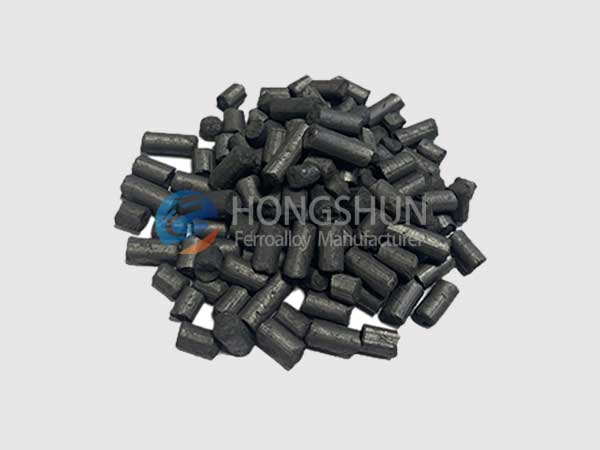
GPC Graphitized Petroleum Coke

Carbon raiser
Properties of Graphitized Petroleum Coke
GPC is produced through the high-temperature graphitization of petroleum coke, resulting in a material with over 98% carbon content. The graphitization process transforms the non-crystalline structure into a highly crystalline graphite form, which provides superior conductivity and stability. Additionally, GPC features:
- Low Ash and Sulfur Content: This minimizes contamination during metallurgical processes.
- High Temperature Resistance: GPC can withstand the extreme conditions present in furnaces.
These properties are essential for applications in aluminum and steel production, where quality control is paramount.
GPC Role in Aluminum Smelting
In aluminum smelting, GPC is primarily used as a carbon anode material. During the electrolysis process, carbon anodes facilitate the reduction of alumina into aluminum metal. The key benefits of using GPC include:
- Improved Electrical Conductivity: GPC’s high conductivity ensures efficient electrolysis, reducing energy consumption.
- Enhanced Carbon Content: It contributes to maintaining the required carbon levels in the molten aluminum, which is crucial for process efficiency.
The use of GPC helps to produce aluminum with better mechanical properties and lower impurity levels, meeting the stringent requirements of various applications.
GPC Role in Steel Production
In steelmaking, GPC serves as a crucial carbon additive during the production process. Its integration into the charge helps to achieve the desired carbon content in steel, which affects its hardness, tensile strength, and overall quality. The advantages of using GPC in steel production include:
- Effective Carbon Source: GPC provides a consistent and high-purity carbon source, which is essential for producing low-carbon and high-quality steel grades.
- Reduced Environmental Impact: By using GPC, manufacturers can optimize the carbon footprint of the steel production process, as it produces fewer pollutants compared to other carbon sources.
Additionally, GPC enhances the efficiency of the reduction reactions in the furnace, leading to improved yield and lower production costs.
GPC Market Trends and Future Outlook
The demand for high-quality aluminum and steel continues to rise globally, driven by advancements in technology and infrastructure development. As a result, the use of GPC as a carbon additive is expected to grow. Manufacturers are increasingly focusing on sourcing high-quality GPC to meet the stringent requirements of modern metallurgical processes.
Moreover, the industry is seeing a shift towards sustainable practices, prompting research into alternative sourcing methods for GPC. Efforts to recycle carbon materials and reduce waste in production processes are gaining traction, further enhancing the appeal of GPC in the market.
Buy GPC-HSferroalloy Manufacturer
Graphitized Petroleum Coke is a crucial carbon additive in both aluminum smelting and steel production, providing essential benefits that enhance product quality and process efficiency.HS supplies cylindrical carbon additives, graphite particle carbon additives, graphite powder carbon additives, and petroleum coke carbon additives. We offer direct sales from the manufacturer at competitive prices and can customize content and particle size according to customer requirements.

