


Silicon Carbide (SiC) is an important inorganic compound composed of silicon (Si) and carbon (C) elements. It is an artificial material synthesized using the Acheson furnace technique by heating silicon sand and carbon to high temperatures. SiC is an extremely hard material with a Mohs hardness of 9.25, exhibiting chemical inertness and high resistance to melting. It possesses high thermal conductivity, low thermal expansion coefficient, thermal shock resistance, wear resistance, and high temperature strength, among other characteristics. These properties make SiC an effective material in various applications.
Silicon Carbide comprises two common varieties: black silicon carbide and green silicon carbide.
- Black silicon carbide contains about 95% silicon carbide, hence it has higher toughness compared to green silicon carbide. It finds wide applications in processing materials with low tensile strength such as glass, ceramics, stone, refractories, cast iron, non-ferrous metals, etc.
- Green silicon carbide contains over 97% silicon carbide, exhibiting good self-sharpness. It is used for processing hard alloys, titanium alloys, and optical glass, as well as cylinder liners and precision grinding tools.
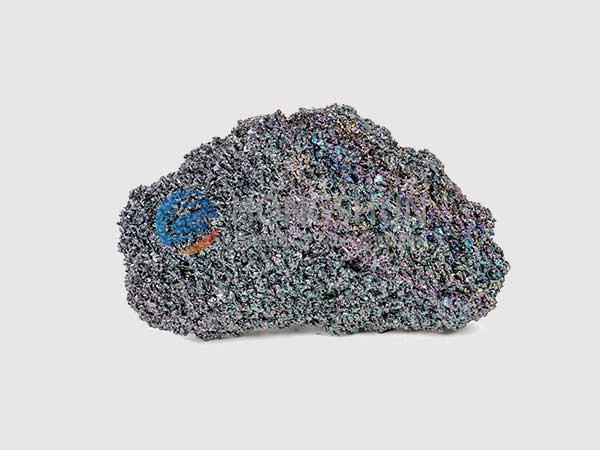
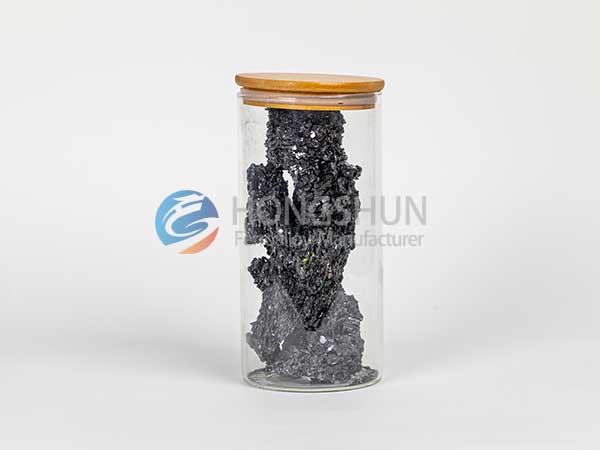
Properties of Silicon Carbide
- High Hardness: Silicon Carbide possesses higher hardness compared to many metals and other ceramic materials, making it suitable for applications in abrasives, cutting tools, and ceramic decorations.
- High Temperature: Resistance: Silicon Carbide maintains stability at high temperatures, with a melting point of approximately 2700 degrees Celsius. This property enables its widespread use in high-temperature applications such as refractories, ceramic furnaces, and aerospace.
- Chemical Stability: Silicon Carbide exhibits high stability against acids, bases, and other chemical substances, making it resistant to corrosion. Thus, it finds applications in the chemical industry as reactor materials.
- Excellent Thermal Conductivity: Silicon Carbide has excellent thermal conductivity, making it an outstanding thermal conductor. This property finds applications in thermal management, heat dissipation in electronic devices, and solar panels.
- Semiconductor Properties: Silicon Carbide is a wide bandgap semiconductor material with a bandgap width of approximately 2.2 to 3.3 electron volts, making it crucial in the field of power electronic devices.
Preparation Methods of Silicon Carbide
- Carbothermal Reduction: A common method involves heating silicon and carbon sources (such as graphite) in a reaction furnace at high temperatures, undergoing a series of carbothermal reduction reactions to produce SiC.
- Hydrothermal Method: This method utilizes hydrothermal conditions to synthesize SiC. Silicon and carbon sources are dissolved in suitable solvents and heated under high-temperature, high-pressure conditions to undergo the reaction.
- Chemical Vapor Deposition (CVD): In this method, SiC is deposited on the substrate surface using carbon and silicon sources in the gas phase under high-temperature conditions, typically by chemical vapor deposition techniques.
Applications of Silicon Carbide
- Power Electronics Devices: SiC is widely used in power electronic devices such as power converters, rectifiers, and inverters due to its excellent electrical properties, high-temperature operation capability, low on-state losses, and high frequency characteristics.
- Automotive Industry: SiC finds applications in various aspects of the automotive industry including power electronic devices for electric vehicles, battery management systems, and engine components due to its high-temperature performance and corrosion resistance.
- Optoelectronic Devices: SiC is extensively used in optoelectronic devices such as fiber optics, lasers, LED lighting, and solar cells due to its excellent thermal conductivity and semiconductor properties, enabling reduced operating temperatures and enhanced device efficiency and reliability.
- Aerospace: Due to its high-temperature wear resistance and chemical stability, SiC is widely used in aerospace applications including engine components, missile guidance systems, and spacecraft thermal control systems.
- Refractory Materials: SiC finds important applications in the refractory materials field, such as in ferroalloy smelting, electronic quartz manufacturing, and glass kilns, where SiC products are used as refractory bricks, coatings, and fibers.
Silicon Carbide serves as a significant ceramic and semiconductor material with wide-ranging applications across various industrial sectors. With ongoing technological advancements and growing application demands, the utilization of SiC is expected to expand further, contributing to the advancement of human society.
Advantages of Silicon Carbide-HSferroalloy company
- Metallurgical Deoxidizer.
- High-Temperature Resistant Material.
- Used as an abrasive for grinding wheels, oilstones, and other abrasives.
Additionally, HS Ferroalloy offers customized alloy products tailored to meet specific user needs, including silicon metal, high carbon silicon, and silicon briquettes. We encourage inquiries about our products and welcome interested parties to visit our facilities for further information.

