


Grinding balls are crucial to any efficient ball milling process. Whether you’re grinding ore, clinker, or ceramic materials, the type and quality of grinding media can dramatically impact output, wear rates, and energy consumption. This guide explores the different types of grinding balls, what they’re made of, and how to select the best grinding media for your specific industrial needs.

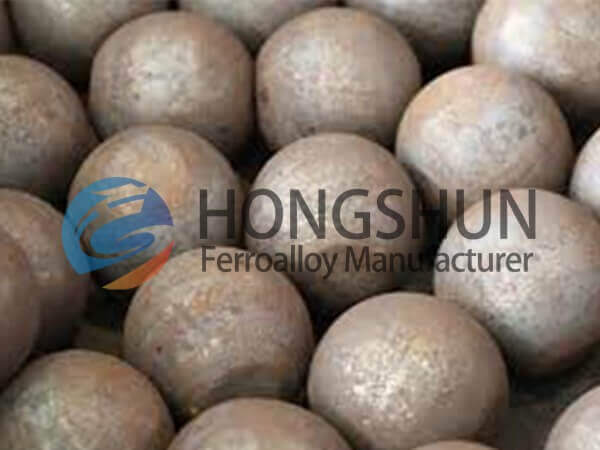
Types of Grinding Balls and Their Materials
1. Forged Steel Grinding Balls
Forged steel balls are among the most popular grinding media for large-scale milling operations in mining and cement production. They are manufactured from high-carbon or alloyed steel and forged under extreme temperatures, then heat-treated for superior durability.
Benefits of forged steel balls:
- High density for better impact energy
- Excellent wear resistance and fracture toughness
- Cost-effective for high-volume applications
- Widely used in ore grinding and cement ball mills
2. High Chrome Cast Grinding Balls
High chromium alloy balls are precision-cast media with outstanding hardness and wear resistance. Ideal for dry grinding and cement plants, these balls are made with chromium content from 10% to 28%, offering longer service life than standard steel balls.
Advantages:
- Surface hardness up to HRC 60+
- Reduced ball wear and breakage
- Excellent corrosion resistance
- Perfect for cement mills, coal pulverizers, and dry ball mills
3. Ceramic Grinding Balls
Ceramic balls are made from ultra-hard materials like alumina (Al₂O₃), zirconia (ZrO₂), or silicon nitride (Si₃N₄). They’re chemically inert, making them ideal for high-purity grinding applications where contamination must be minimized.
Applications include:
- Pharmaceuticals and food-grade materials
- Electronics and battery materials
- High-purity powder processing
Pros:
- Excellent hardness and thermal stability
- Chemical inertness
- Ideal for precision milling
How to Choose the Best Grinding Ball for Your Application
When selecting grinding media, consider the following:
- Material being ground – Harder materials need harder media
- Ball size and density – Match with mill speed and load
- Wet vs dry grinding – Ceramic balls perform better in wet environments
- Purity requirements – Use ceramic balls for non-contaminating processes
- Budget vs performance – Balance upfront cost with lifespan and efficiency
Frequently Asked Questions
What sizes do grinding balls come in?
Forged steel balls usually range from 20 mm to 150 mm in diameter. Ceramic balls are smaller—typically between 0.1″ and 1″—depending on grinding precision and mill design.
How long do grinding balls last?
That depends on material type, usage conditions, and rotation speed. High chrome balls can last 2–3 times longer than standard forged steel. Ceramic balls have the longest service life in proper environments.
How to monitor grinding media wear?
Regular weight checks, visual inspection, and performance tests help track ball wear. Timely replacement ensures optimal grinding efficiency and cost control.
Grinding balls are not just consumables—they’re critical to your mill’s output and your production costs. Choosing the right grinding media—whether it’s forged steel, high chrome alloy, or ceramic—can dramatically improve your process efficiency, reduce downtime, and save costs in the long run.
Looking for a reliable grinding ball supplier?
At Hongshun, we provide high-quality forged steel balls, chrome alloy cast balls, and precision ceramic grinding media tailored for mining, cement, and industrial grinding.
Contact us today to request a quote or discuss custom specifications.

