


White fused alumina (WFA) and brown fused alumina (BFA) are both aluminum oxide-based abrasives widely used in industrial applications. While they share some similarities, they differ significantly in raw materials, properties, and ideal applications. Here’s an in-depth comparison to help you make the right choice.
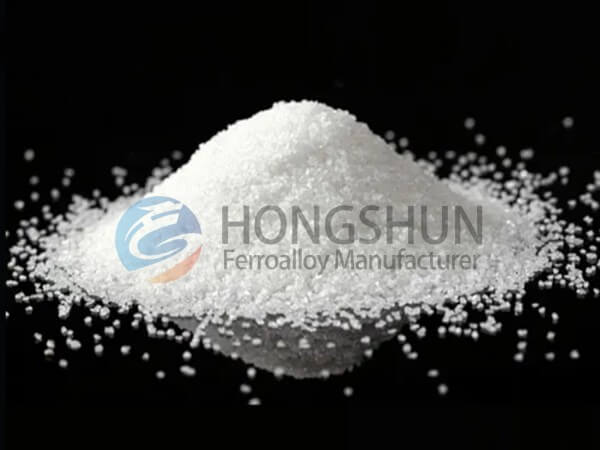
WFA

BFA
Differences Between White Fused Alumina and Brown Fused Alumina
1. Raw Material Composition
- White Fused Alumina (WFA): Made from high-purity alumina powder with an aluminum oxide (Al₂O₃) content exceeding 99%.
- Brown Fused Alumina (BFA): Produced from bauxite, combined with other materials like iron filings and coke, resulting in an Al₂O₃ content of around 95%.
The higher purity of WFA makes it more suitable for high-end applications requiring minimal contamination.
2. Hardness and Toughness
- WFA: Offers higher hardness than BFA, making it ideal for processing materials like hardened steel, high-carbon steel, and high-speed steel.
- BFA: Slightly less hard but more tough, which gives it better durability for heavy-duty applications.
This means WFA is better for precision grinding, while BFA is suited for general-purpose tasks.
3. Performance Characteristics
- White Fused Alumina:
- High purity and low impurities.
- Self-sharpening properties for efficient cutting and grinding.
- Produces less grinding heat, suitable for heat-sensitive materials.
- Acid and alkali resistance, stable performance at high temperatures.
- Brown Fused Alumina:
- More economical due to lower production costs.
- Good flowability and corrosion resistance.
- High toughness, suitable for high-stress applications like shot blasting.
4. Typical Applications
- WFA:
- Precision grinding and polishing of high-end materials such as stainless steel, hardened steel, and alloys.
- Manufacturing coated abrasives, fine polishing powders, and advanced refractory products.
- Sandblasting for delicate surfaces requires minimal contamination.
- BFA:
- General-purpose grinding of tools, machine parts, and castings.
- Manufacturing ceramic and resin-bonded abrasives.
- Producing refractory bricks and castables for high-temperature applications.
5. Cost and Market Availability
- WFA: Higher production costs due to its high-purity raw materials and advanced processing techniques. It is typically used in industries with specific quality requirements.
- BFA: More cost-effective and widely available, making it the go-to option for general abrasive and refractory applications.
6. Target Users
- White Fused Alumina: Chosen by high-end industries for tasks demanding precision and minimal contamination. Suitable for carbon steel, alloy steel, ductile iron, and hard bronzes.
- Brown Fused Alumina: Preferred by mass-market users due to its affordability and suitability for processing quenched steel, high-speed steel, and high-carbon steel.
Key Takeaways
- Choose White Fused Alumina (WFA) if:
- You need ultra-pure, high-hardness abrasives for precision tasks.
- You’re working on materials sensitive to contamination or high temperatures.
- Choose Brown Fused Alumina (BFA) if:
- You require a cost-effective abrasive for heavy-duty or general-purpose grinding.
- Toughness and durability are your priorities.
Conclusion
Understanding the differences between white fused alumina and brown fused alumina can help you optimize your production processes and achieve better results. While WFA stands out for its purity and precision, BFA offers versatility and cost-efficiency. Both abrasives have unique advantages tailored to specific needs.
Looking for high-quality abrasives? Contact Hongshun today to explore our range of white fused alumina and brown fused alumina products.

