


Grinding media are essential components in the operation of ball mills, directly influencing grinding efficiency, product fineness, and overall mill performance. Whether in mining, cement, ceramics, or power plants, choosing the right grinding media can make a significant difference in production output and cost.
In this article, we’ll explore what grinding media are, their types, how they work, and how to select the right media for your ball mill.
What Is Grinding Media?
Grinding media refers to the objects used to crush or grind materials inside a rotating ball mill. These media are typically made from durable materials such as steel, ceramic, or cast iron, and are available in various shapes like balls, cylpebs, or rods.
During the milling process, grinding media collide with the material being ground, reducing it to finer particles through impact and attrition.
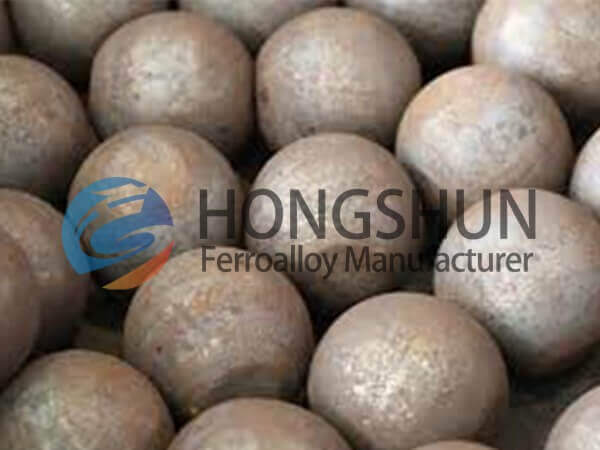
Forged Steel Balls

Cast Grinding Cylpebs
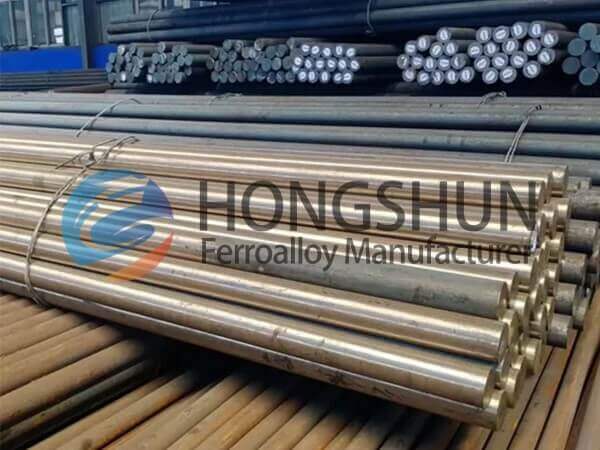
Grinding Rods
Types of Grinding Media for Ball Mills
1. Steel Balls
Steel balls for ball mills are the most common and widely used grinding media, known for their high hardness and wear resistance. They are suitable for grinding both dry and wet materials and are often used in mining and cement industries.
- Common materials: High chrome steel, forged steel, carbon steel
- Typical sizes: 20mm–150mm
- Ideal for: Hard ores, clinker, and heavy-duty applications
2. Cast Grinding Cylpebs
Cast Grinding Cylpebs are cylindrical-shaped media with uniform dimensions. Compared to balls, they offer a larger surface area and higher contact density, improving the grinding efficiency for certain applications.
- Material: Cast iron alloy
- Shape: Short cylinders
- Application: Fine grinding stages
3. Ceramic Balls
Ceramic grinding media are lightweight, chemically inert, and resistant to high temperatures. They are ideal for ultra-fine grinding in industries like ceramics, paint, pharmaceuticals, and food.
- Materials: Alumina, zirconia
- Benefits: Low wear, no metal contamination
- Common in: Laboratory ball mills, precision milling
4. Forged Steel Balls
Forged steel balls are hot-rolled and tempered to achieve uniform hardness and toughness. They are particularly effective in high-impact conditions.
- Strength: High impact resistance
- Use: Mining, coal grinding, metallurgy
How Grinding Media Works in a Ball Mill
Inside a ball mill, the grinding media rotate along with the mill shell. As the mill rotates, the media are lifted on the rising side and then cascade down, creating impact and shear forces. These forces break down the particles into smaller sizes.
The performance of grinding media depends on:
- Hardness: Higher hardness resists wear.
- Density: Heavier media generate more impact.
- Size: A balanced size distribution enhances efficiency.
- Shape: Spherical media roll better; angular media grind finer.
How to Select the Right Grinding Media
Choosing the correct grinding media for your ball mill depends on multiple factors:
- Material to be ground: Harder materials require stronger media.
- Grinding method: Wet vs dry grinding affects media choice.
- Milling stage: Coarse vs fine grinding needs different media sizes.
- Contamination risk: For food or pharmaceutical use, non-metallic media are preferred.
A well-matched grinding media can:
- Improve grinding efficiency
- Reduce energy consumption
- Minimize wear of mill liners
- Ensure product quality
Grinding media are not just a component—they are central to the efficiency, economics, and output of any ball milling operation. Whether you use forged steel balls, Cast Grinding balls, or Cast Grinding cylpebs, understanding their characteristics and how they function inside your ball mill is key to maximizing performance.
Looking to source high-quality grinding media for your ball mill? Contact us today for expert advice and a free quote!

