


The complete production process of White Aluminium Oxide, also known as White Fused Alumina is a high-purity material widely used in abrasives, refractories, and ceramics industries. Learn how this advanced material is made and what its role is in modern manufacturing.
What Is White Aluminium Oxide and What Is It Importance?
White Aluminium Oxide, commonly referred to as White Fused Alumina (WFA), is a premium-grade material derived from high-purity aluminium oxide (Al₂O₃). Known for its exceptional hardness, high melting point, and excellent chemical stability, White Aluminium Oxide plays a critical role in industries such as abrasives, refractories, ceramics, and surface treatment. Its production process ensures high purity and superior performance, making it a preferred choice in demanding applications like precision grinding and high-temperature environments.
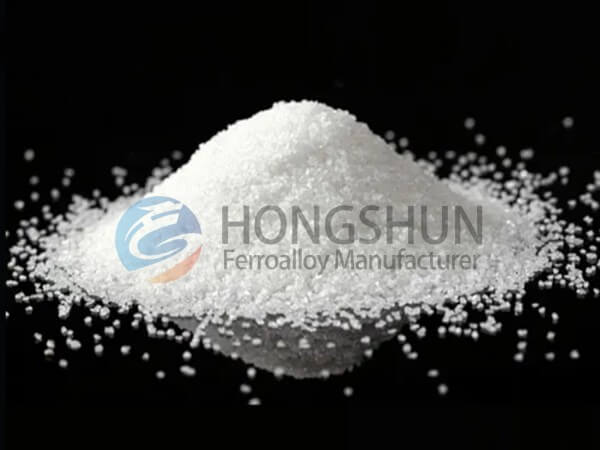
White Fused Alumina
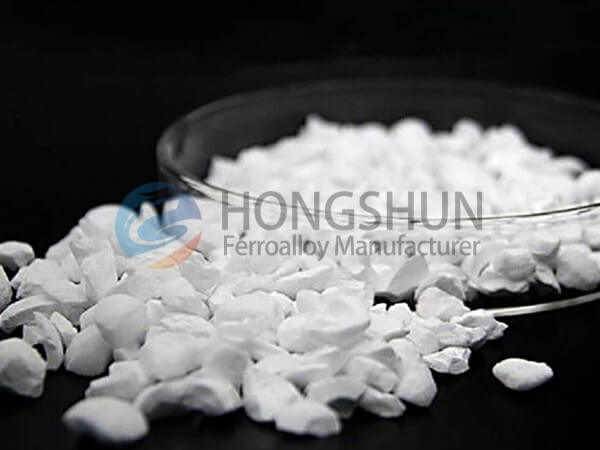
White Aluminium Oxide
How Is White Aluminium Oxide Produced?
The production of White Aluminium Oxide involves several key steps, designed to maximize purity and crystal structure:
- Raw Material Selection:
The process begins with the selection of high-purity calcined alumina (Al₂O₃), typically containing over 99% aluminium oxide. Impurities like silica (SiO₂) and iron oxide (Fe₂O₃) are minimized to ensure the final product meets stringent quality standards. - Fusion in an Electric Arc Furnace:
The selected alumina is melted at a temperature of around 2,000°C in an electric arc furnace. This high-temperature environment breaks down the structure of the alumina, enabling it to recrystallize into a dense, high-purity form. - Cooling and Solidification:
The molten aluminium oxide is poured into moulds or onto cooling beds. As it cools, it solidifies into large, dense blocks of White Fused Alumina. The cooling rate can affect the crystal size and uniformity. - Crushing and Sieving:
Once cooled, the solid blocks are crushed into smaller particles and graded into various sizes, ranging from coarse grit to ultrafine powders. This step is critical for meeting specific industrial requirements. - Magnetic Separation and Acid Washing:
To ensure the highest purity, the material undergoes magnetic separation to remove any trace metallic impurities. Additionally, acid washing may be used to further refine the product, especially for applications requiring ultra-high purity. - Final Quality Inspection:
The processed material is tested for chemical composition, hardness, and particle size distribution. Only products meeting the strict standards are packaged and shipped to customers.
Applications of White Aluminium Oxide
Due to its hardness (9 on the Mohs scale), thermal resistance, and chemical inertness, White Aluminium Oxide finds applications in:
- Abrasives: Grinding wheels, sandpapers, and polishing compounds.
- Refractories: High-temperature linings for furnaces and kilns.
- Ceramics: Advanced ceramic components in electronics and engineering.
- Surface Treatment: Blasting media is used to clean and prepare surfaces.
Why Choose High-Quality White Aluminium Oxide?
A well-produced White Aluminium Oxide guarantees consistency, performance, and longevity in end-use applications. Manufacturers like Hongshun Industrial specialize in providing premium White Fused Alumina products, meeting diverse industrial needs with customizable sizes and specifications.
Whether you’re in abrasives, refractories, or ceramics, understanding the production of White Aluminium Oxide ensures you select the best materials for your applications.

