


As global manufacturing continues to move toward higher precision, higher reliability, and lower carbon intensity, white aluminum oxide powder (also known as white fused alumina powder) is gradually shifting from a traditional industrial material to a core functional material in advanced industries.
By 2025, changes in the downstream demand structure have become increasingly clear. While conventional sectors such as refractories and abrasives remain stable, semiconductors, new energy, and advanced ceramics are driving new growth. The overall market shows a distinct trend: traditional applications upgrading, emerging applications accelerating.
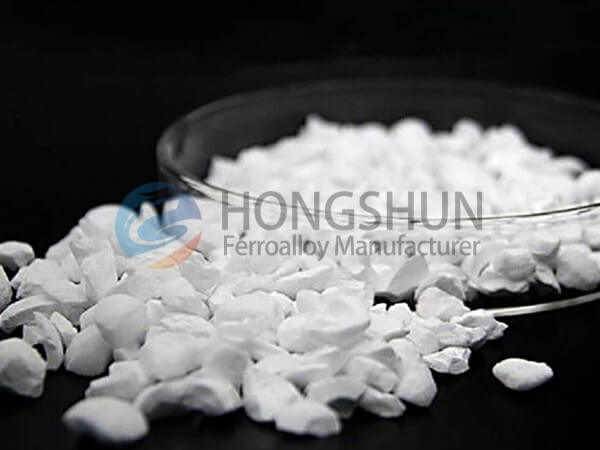
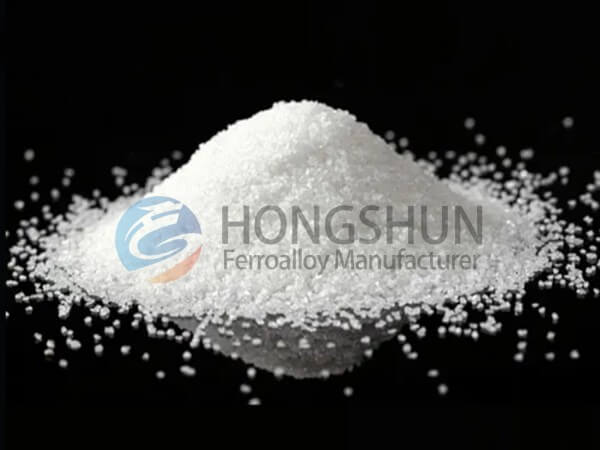
Semiconductor Applications: A Core Material for Advanced Chip Manufacturing
The semiconductor industry has become one of the fastest-growing demand sources for high-purity white aluminum oxide powder (≥99.9%). In 2025, demand from this sector increased significantly, mainly concentrated in the following areas:
Semiconductor Equipment Ceramics
High-purity alumina ceramics are widely used in critical semiconductor equipment components, including:
- Etching chambers
- Gas distribution nozzles
- Wafer carriers and insulation parts
These components require excellent thermal stability, plasma corrosion resistance, electrical insulation, and low impurity levels, making white aluminum oxide powder a preferred raw material for ceramic fabrication.
Alumina Ceramic Substrates
In integrated circuit packaging, alumina ceramic substrates remain the most cost-effective solution, offering a balanced combination of:
- Reliable thermal conductivity
- Stable dielectric performance
- Mature processing technology
Compared with aluminum nitride substrates, alumina substrates typically cost significantly less, which is why they continue to dominate large-scale packaging applications.
CMP Polishing Abrasives
Sub-micron and narrow particle-size-distribution white aluminum oxide powder is increasingly used in CMP (Chemical Mechanical Polishing) processes. Its advantages include:
- Stable removal rate
- Uniform polishing behavior
- High surface finish consistency
These characteristics are especially important for advanced wafer planarization.
New Energy Industry: Functional Alumina for Batteries and Energy Storage
With the rapid expansion of electric vehicles and energy storage systems, alumina powder has become an important functional material rather than just a structural one.
Lithium Battery Cathode Coatings
Applying an ultra-thin alumina coating to lithium battery cathode materials can:
- Reduce transition metal dissolution
- Suppress parasitic reactions
- Improve cycle life and thermal stability
High-purity white aluminum oxide powder with controlled particle size is commonly used for this purpose.
Battery Separator Ceramic Coatings
Alumina-coated separators significantly enhance:
- Heat resistance
- Mechanical strength
- Puncture resistance
This helps reduce the risk of internal short circuits and improves overall battery safety, especially in high-energy-density battery systems.
Traditional Applications: Steady Demand with Higher Technical Standards
Although high-tech sectors are expanding rapidly, traditional industries remain an important foundation for white aluminum oxide powder demand. However, technical requirements are rising.
| Application Field | Typical Uses | 2025 Development Trend |
|---|---|---|
| Refractories | Steel furnaces, kilns, crucibles | Higher temperature resistance, longer service life |
| Abrasives | Metal, glass, ceramic grinding | Finer grit, higher precision |
| Ceramics | Technical and structural ceramics | Improved strength and wear resistance |
In these fields, demand is shifting toward more stable quality, lower impurities, and better consistency.
White Aluminum Oxide Powder Market Outlook in 2025
Industry data indicates that global demand for white aluminum oxide powder will reach approximately 12 million tons in 2025, with year-on-year growth remaining above 10%.
- China continues to be the largest consumption and production center, accounting for more than half of global demand
- Semiconductors and new energy together contribute around 40% of incremental demand, becoming the main growth engines
- High-purity, application-specific grades are gaining a larger share of total consumption
Supplier Perspective: Focus on Stability and Application Matching
From a supplier’s point of view, the market is no longer driven solely by volume. Downstream customers are paying more attention to:
- Chemical purity and trace impurity control
- Particle size distribution consistency
- Batch-to-batch stability
- Application-specific performance validation
Anyang Hongshun has long focused on the production and classification of white aluminum oxide powder for different industrial applications, supplying graded materials suitable for abrasives, refractories, ceramics, and emerging high-tech uses. With stable production capacity and quality control systems, Hongshun supports customers seeking long-term, reliable supply rather than short-term spot sourcing.
Conclusion
In 2025, white aluminum oxide powder will no longer be just a traditional industrial abrasive or refractory raw material. It is increasingly positioned as a functional and strategic material for semiconductors, lithium batteries, and advanced ceramics.
As downstream industries continue to raise technical thresholds, suppliers capable of providing stable quality, high purity, and application-oriented solutions will play a more important role in the global alumina market.

