


Ball mill liners are critical for protecting the mill shell and optimizing grinding efficiency—but excessive wear leads to frequent replacements, higher costs, and production delays. If your liners are wearing out too fast, several factors could be to blame.
- This guide explains:
- Top reasons for rapid liner wear
- How to diagnose the root cause
- Proven solutions to extend liner life
- Best materials for high-wear applications
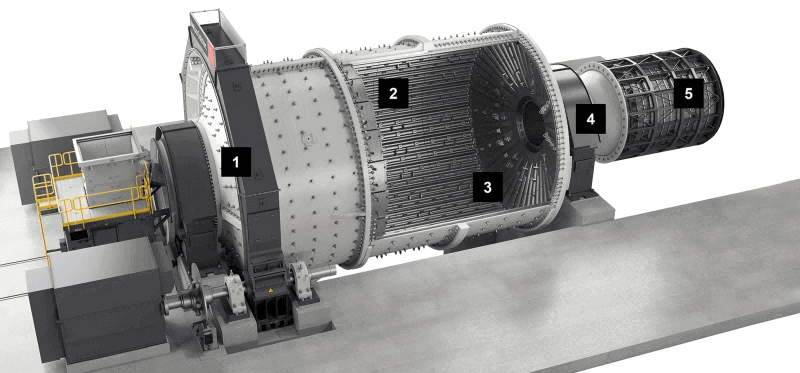
6 Common Reasons Why Ball Mill Liners Wear Out Too Fast
1. Abrasive Ore Properties
Problem: Hard, sharp, or highly abrasive ores (e.g., gold, quartz, iron ore) accelerate wear.
Solution:
- Use high-chrome steel or alloy liners for abrasive ores.
- Consider rubber/polyurethane liners for less impact but high abrasion.
2. Incorrect Liner Material Selection
Problem: Using the wrong material (e.g., soft manganese steel for highly abrasive grinding).
Solution:
- High-impact ores? → Manganese steel (Mn18Cr2).
- High abrasion? → Chrome-moly alloy or rubber composites.
- Corrosive slurry? → Rubber or ceramic-lined liners.
3. Poor Grinding Media (Balls) Management
Problem: Wrong ball size, mix, or worn-out media increases liner impact.
Solution:
- Use properly sized grinding balls (not too large).
- Regularly replenish media to maintain optimal charge.
- Avoid overfilling the mill.
4. Improper Mill Operation & Overloading
Problem: Running the mill at incorrect speeds or overloading with ore.
Solution:
- Operate at optimal RPM (65-75% of critical speed).
- Avoid overfeeding—excess ore increases liner stress.
- Monitor slurry density (too thick = more wear).
5. Liner Design & Installation Issues
Problem: Poorly fitted or misaligned liners wear unevenly.
Solution:
- Ensure proper liner alignment during installation.
- Use bolted liners (not just wedged) for stability.
- Choose wave or lifter bar designs for better grinding efficiency.
6. Lack of Maintenance & Inspections
Problem: Ignoring early wear signs leads to sudden failures.
Solution:
- Schedule routine inspections (check for cracks and thinning).
- Tighten bolts regularly—loose liners shift and wear faster.
- Replace liners in sets (not just single sections).
How to Extend Ball Mill Liner Lifespan
- Match liner material to ore type (test wear resistance first).
- Optimize grinding media size & charge.
- Avoid mill overloading & run at the correct speed.
- Inspect liners monthly for cracks, wear, and bolt tightness.
- Work with a trusted supplier for high-quality, custom-fit liners.
Best Wear-Resistant Liners for Longevity
| Material | Best For | Expected Lifespan |
|---|---|---|
| High-Chrome Steel | Highly abrasive ores | 6–12 months |
| Manganese Steel | High-impact crushing | 4–8 months |
| Rubber Liners | Wet grinding, corrosion | 1–2 years |
| Composite Liners | Balanced wear & impact | 8–15 months |
Stop Premature Liner Wear
Rapid ball mill liner wear is not inevitable—it’s often caused by wrong materials, poor operation, or lack of maintenance. By:
✔ Choosing the right liner for your ore type
✔ Optimizing mill speed & grinding media
✔ Conducting regular inspections
You can double the liner lifespan and cut replacement costs by 30–50%.
Need help selecting long-lasting liners? Contact our experts for a free consultation!

