
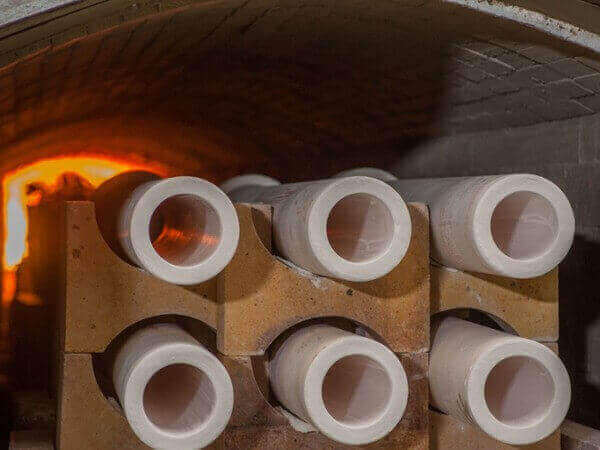
Why Ferroalloys Matter in Refractories? The refractory industry forms the backbone of high-temperature applications, including steelmaking, non-ferrous metallurgy, cement, and glass production. At the core of modern refractory formulation lies a crucial but often overlooked ingredient — ferroalloys.
Ferroalloys such as ferro silicon, ferro manganese, silicon metal, and calcium silicon are not only used in steelmaking, but also play significant roles in enhancing refractory lining quality, thermal shock resistance, and slag corrosion protection.
Whether in unshaped refractories, castables, or precast components, properly selected ferroalloy additives help meet the rigorous demands of high-temperature industrial environments.


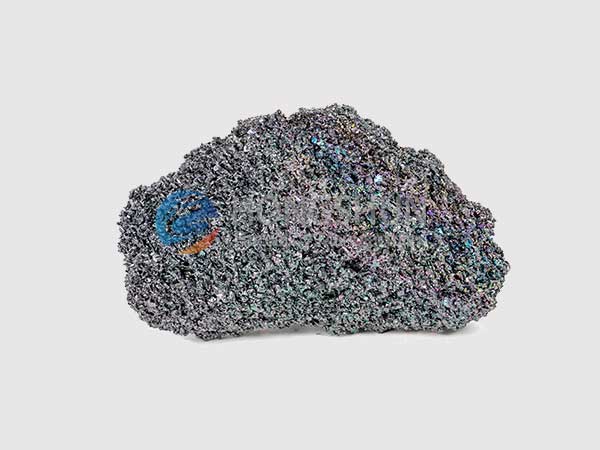
Key Benefits of Ferroalloy Additives in Refractory Materials
1. Improved Slag Resistance
Ferroalloys such as silicon metal powder and calcium silicon promote the formation of dense, stable mineral phases in refractory bodies, which reduces slag infiltration in basic and acidic environments.
2. Enhanced Thermo-Chemical Stability
Ferro silicon is known to reduce free oxygen activity, leading to fewer unwanted oxide reactions during sintering. This enhances hot strength and maintains structural integrity under repeated thermal cycling.
3. Controlled Sintering and Thermal Expansion
Alloys like FeSi and SiC (from high-silicon sources) help balance the expansion coefficients in alumina and magnesia-based refractories. The result is reduced cracking and longer service life.
Applications of Ferroalloys Across Refractory Products
| Refractory Product | Recommended Ferroalloys | Benefits |
|---|---|---|
| Alumina Castables | Ferro Silicon, Silicon Metal | Better hot strength, oxidation resistance |
| Magnesia Carbon Bricks | Silicon Carbide, Ferro Silicon | Increased corrosion resistance, durability |
| Taphole Clay | Calcium Silicon, Ferro Manganese | Enhanced plasticity, reduced porosity |
| Precast Refractory Shapes | Silicon Metal Powder | Uniform phase bonding, thermal shock stability |


one-stop service


Technical Considerations in Ferroalloy Selection
1. Purity and Particle Size
Refractory-grade ferroalloys must meet strict purity standards, especially in low-carbon steel environments. Granule or powder sizes must align with casting and mixing requirements to avoid segregation or weak bonding.
2. Chemical Compatibility
Alloys should be chemically compatible with the base matrix (alumina, magnesia, or dolomite). Incompatible additions may lead to undesirable phases during firing or in service.
3. Thermal Behavior
Understanding the oxidation temperature, melting point, and reaction kinetics of each alloy ensures optimal performance under specific furnace or kiln conditions.


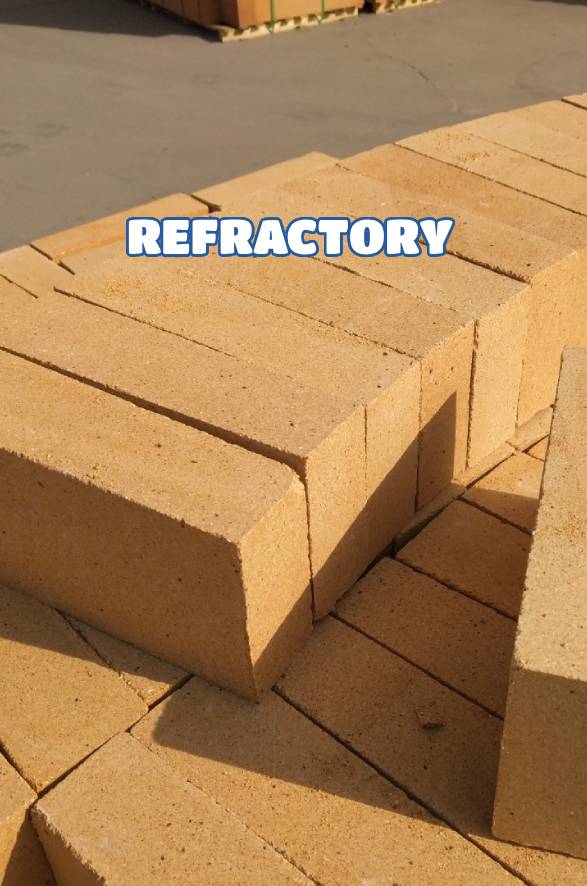

Why Refractory Manufacturers Trust HSferroalloy
As a long-standing supplier to both refractory manufacturers and metallurgical plants, HSferroalloy offers:
- High-Purity Ferro Silicon (≥75%)
- Refractory Grade Silicon Metal (441, 553)
- Calcium Silicon Lumps & Powder
- Ferro Manganese for Carbon Control
- Micronized Ferroalloy Powder for Castables
Our team works closely with R&D departments to deliver tailored ferroalloy solutions that optimize the mechanical, chemical, and thermal behavior of your refractory systems.
focus on ferroalloy production, quality first!
Leave your requirements, FREE quotation!
call us: +8618837209569A Crucial Link in Refractory Innovation
As demand grows for longer-lasting, more efficient, and cost-effective refractory linings, the importance of high-quality ferroalloy additives continues to rise. By enhancing everything from microstructural bonding to slag resistance, ferroalloys are no longer a secondary input — they are strategic components in modern refractory formulation.
Need a consistent source of ferroalloys for refractory production? Contact our materials experts to learn more about our products, custom sizing, and technical support.


