

We can manufacture and supply ferrosilicon grain inoculants, silicon barium inoculants, silicon calcium inoculants, silicon barium calcium inoculants and other products for ductile iron and gray cast iron.
The inoculant is usually used in the treatment process of cast iron production, adding it to the iron water to make it evenly distributed in the cast iron, thereby improving the performance of the cast iron. The types and composition of the inoculant are different depending on the type of cast iron and production requirements. The use of the appropriate inoculant is of great significance for improving the performance of cast iron.
Factory Direct Foundry Inoculant Supplier
• Stable Composition
• Customized Size
• OEM Packing
• Fast Delivery

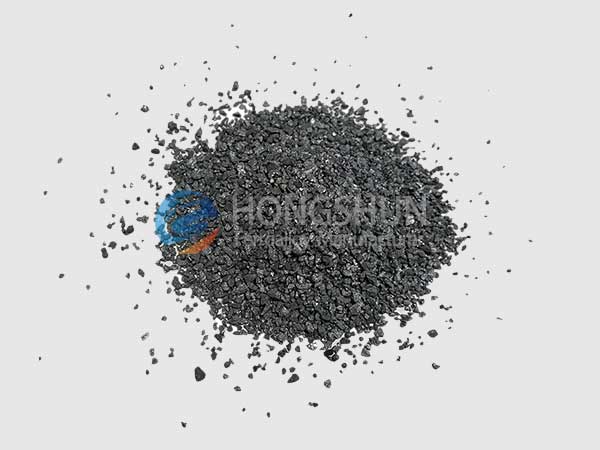


Types of Inoculants in Casting
The types of inoculants vary depending on their ingredients and uses. Here are some common types of inoculants:
- Silicon-based inoculant: mainly ferrosilicon, including calcium silicon, silicon barium, etc. This type of inoculant mainly functions to promote graphitization, reduce the tendency of whitening, improve the morphology and distribution of graphite, increase the number of eutectic groups, refine the matrix structure, etc.
- Carbon-based inoculants: mainly carbon, including low-carbon inoculants and high-carbon inoculants. This type of inoculant improves the properties of cast iron primarily by controlling carbon content.
- Rare earth inoculant: mainly rare earth elements, such as cerium, magnesium, etc. This type of inoculant has the functions of promoting graphitization, refining grains, and improving the strength, toughness and wear resistance of cast iron.
- Compound inoculant: an inoculant composed of multiple elements, such as calcium silicon, barium silicon, rare earth, etc. This type of inoculant has the effect of multiple elements and can comprehensively improve the properties of cast iron.


focus on ferroalloy production, quality first!
Leave your requirements, FREE quotation!
call us: +8618837209569Chemical composition of inoculant
| Product | Chemical Composition % | |||||||
| Si | Ba | Ca | RE | Sr | Zr | Al | Fe | |
| Ferrosilicon inoculant | 70-75 | 0.5-1.0 | ≤1.5 | Margin | ||||
| Silicon barium inoculant | 70-75 | 2.0-6.0 | 0.5-1.0 | ≤1.5 | Margin | |||
| Silicon-strontium inoculant | 70-75 | ≤0.1 | 0.6-1.2 | ≤0.5 | Margin | |||
| Silicon Manganese Zirconium Inoculant | 65-70 | 1.0-2.0 | 3.0-4.5 | ≤1.5 | Margin | |||
| Silicon Barium Calcium Inoculant | 68-72 | 2.0-3.0 | 1.0-2.0 | Margin | ||||
| Rare earth barium inoculant | 65-70 | 2.0-3.0 | 0.8-3.0 | ≤1.5 | Margin | |||
Why choose us


one-stop service


Advantages of inoculant
- Uniform particle size, stable composition, high alloy purity, less slag inclusions during incubation, and long decay resistance.
- Strongly reduce the whitening tendency and refine the graphite structure.
- Mainly used for general conditions or late instant incubation of gray iron and ductile iron.
Uses of inoculant
- The use of inoculants mainly depends on the specific cast iron type and production requirements. The following are some common ways of using inoculants:
- Inoculation in the bag: Add the inoculant into the bag, then pour in the molten iron to melt it evenly and then pour it.
- Surface inoculation: Sprinkle the inoculant evenly on the surface of the molten iron to make it work quickly.
- Inoculant spraying: After diluting the inoculant in proportion, spray it on the surface of the mold cavity through a spray gun so that it can penetrate into the mold.
- Inoculation during pouring: Put the inoculant into the tundish, and the molten iron flows into the mold cavity during pouring to play a feeding role.


