
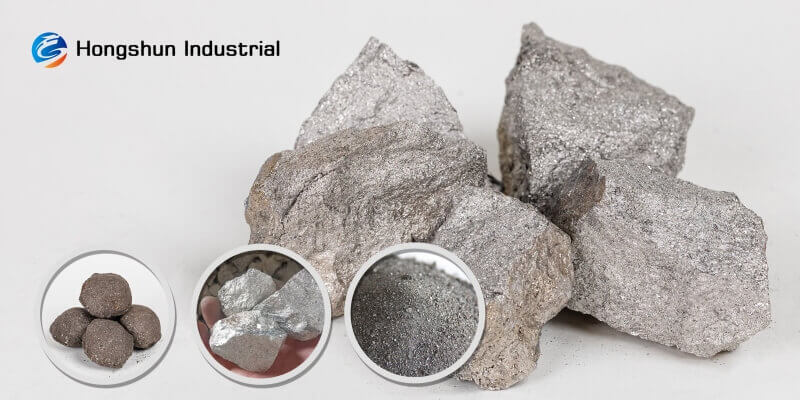

For steel manufacturers, selecting the correct ferroalloy grade is an important decision because alloy composition directly affects steel quality, production cost, and final performance.
Among commonly used silicomanganese alloys, Silicon Manganese 6818 and Silicon Manganese 6517 are two popular grades used in steelmaking. Although they have similar applications, differences in manganese and silicon content can influence their performance during production.
Understanding these differences helps buyers choose the most suitable alloy for their steel grades.
What Are Silicon Manganese 6818 and 6517?
Both Silicon Manganese 6818 and Silicon Manganese 6517 belong to the silicomanganese ferroalloy family.
They are mainly composed of:
- Manganese (Mn)
- Silicon (Si)
- Carbon (C)
- Small amounts of phosphorus and sulfur
They are produced through high-temperature smelting processes, mainly in submerged arc furnaces.
The main difference is the content range of manganese and silicon.


Silicon Manganese 6818 and 6517 Chemical Composition Comparison
| Grade | Mn Content | Si Content |
|---|---|---|
| Silicon Manganese 6818 | Around 65–70% | Around 15–20% |
| Silicon Manganese 6517 | Around 65% | Around 17% |
The actual specification may vary depending on international standards and customer requirements.
Generally, Silicon Manganese 6818 provides slightly higher alloy content, while 6517 is widely recognized as a standard commercial grade.
Silicon Manganese 6818 and 6517 Difference in Steelmaking Applications
Silicon Manganese 6818
Due to its balanced alloy composition, SiMn 6818 is commonly used in:
- Carbon steel production
- Low alloy steel
- High-volume steelmaking
- Processes requiring stable manganese recovery
It is suitable for steel plants looking for efficient alloy addition and stable performance.
Silicon Manganese 6517
Silicon Manganese 6517 is also widely used in general steel production, especially where standard manganese and silicon requirements are needed.
It is commonly applied in:
- Construction steel
- General structural steel
- Medium and low carbon steel
How to Choose Between Silicon Manganese 6818 and 6517?
The selection depends mainly on:
- Steel Grade Requirements: Different steel products require different manganese and silicon levels. Buyers should select the grade according to their production formula.
- Cost Considerations: Raw material prices and alloy recovery rates influence the final choice. Sometimes a slightly higher-grade alloy can reduce overall consumption.
- Supplier Stability: Consistent chemical composition is often more important than small differences between grades.
A professional ferroalloy supplier can provide suitable recommendations based on production requirements.
Why Work With a Professional Silicon Manganese Supplier?
Reliable supply is essential for steel plants operating continuously. Important factors include:
- Stable chemical composition
- Strict quality inspection
- Flexible particle sizes
- Reliable delivery schedules
Hongshun Metallurgy supplies various ferroalloys for international customers and provides customized Silicon Manganese solutions according to different steelmaking requirements.
Conclusion
Both Silicon Manganese 6818 and 6517 are important alloys in modern steel production. The choice between them depends on steel grade requirements, production conditions, and cost targets.
By understanding the differences between SiMn grades, steel manufacturers can improve alloy efficiency and maintain stable product quality.

